
When we think of Egypt, we think of sunshine and warmth.
I still do – even after more than twenty years of living here.
But Egypt does have a winter. It’s short, dry, and often underestimated, especially by travelers arriving between mid-December and the end of January. I originally sat down to write this as a quick note for guests coming to stay at Mara House over winter, but it’s a question I’m asked every year – so it makes sense to answer it properly.
Egypt’s Winter: Short, Dry, and Very Real
Our cold spell usually runs from mid-December through late January. Days can feel beautifully warm in direct sunshine, but the moment the sun disappears – or you step into shade – the temperature drops quickly.
Living here, that contrast is what defines winter more than any number on a forecast.
For the last week, I’ve been wearing a sweatshirt both inside and outside Mara House during the day. Once the sun stops shining on the balcony or through the windows, I feel the chill immediately. At night, I’m back in a warm, fluffy dressing gown over my pyjamas – something that still surprises guests who’ve arrived expecting constant warmth.
It’s the same when you’re out walking. One minute you’re comfortable in direct sunshine; step into shade and you’ll feel it straight away – the air is genuinely cold. That change is what catches people out far more than the actual temperature.
What Does “Cold” Mean in Egypt?
A typical winter day might look like this:
-
Daytime: around 26°C / 78°F
-
Night-time: around 8°C / 46°F
If I were at home in Ireland, those numbers wouldn’t feel particularly dramatic. Here, though, the warmth comes and goes with the sun, and that constant shift is what makes winter feel sharper.
If the temperature stayed consistent, it would be easy. It’s the switching that makes layers essential.
Regional Differences Matter
Winter temperatures vary depending on where you are:
-
Cairo is usually about 5°C colder than Luxor
-
Luxor sits in the middle
-
Aswan is typically about 5°C warmer than Luxor
Always check forecasts for the specific regions you’re visiting, not just “Egypt” in general. I find AccuWeather to be reliable here.
How Winter Actually Feels Day to Day
Winter in Egypt isn’t about heavy coats all day long, it’s about being prepared for change.
You’ll be warm sightseeing in the sun, then suddenly cold in the shade. You’ll enjoy outdoor cafés during the day, then need a jacket as soon as evening arrives. Outdoor decks on Nile Cruisers and Dahabiyas, hotel pool areas and rooftops, are cold at night, but still lovely if you’re dressed properly.
This is exactly how winter feels to those of us who live here.
What to Pack for Egypt in December & January
Think layers, not bulk
December and January are much easier if you pack clothes you can add or remove as needed.
Bring:
-
Light sweaters or sweatshirts
-
A warm jacket or coat for evenings
-
Cardigans or wraps for indoors
-
Warm nightwear
Most accommodation, including private houses and smaller places like Mara House, do not have indoor heating. We simply don’t have a long enough cold season to justify it. (Hot water, of course, is not an issue.)
Evenings, Sites & Unexpected Cold
-
Always bring a jacket when heading out, even if the day feels warm
-
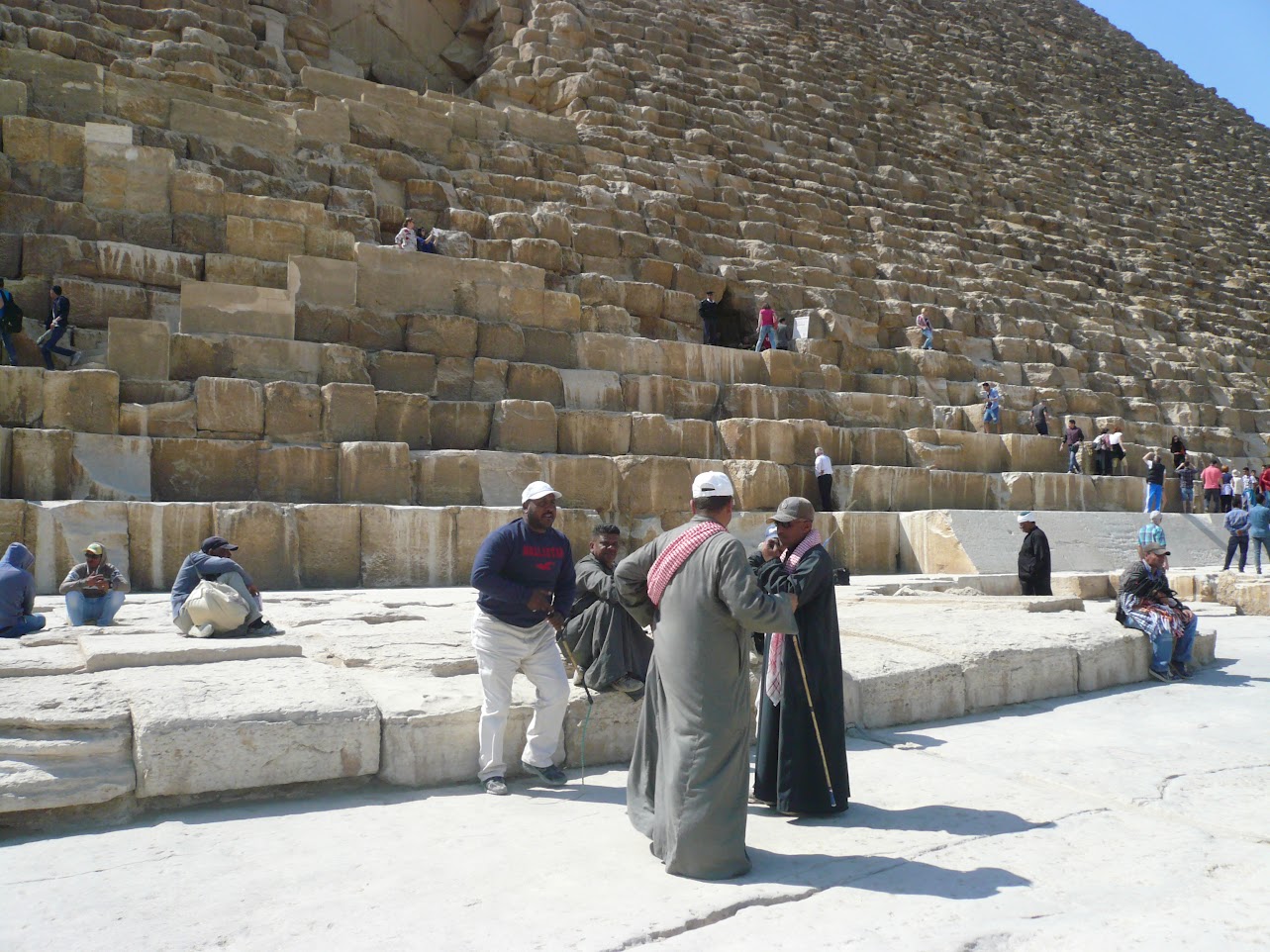
The Pyramids can feel surprisingly cold, even in sunshine
-
A light woolly hat can be very welcome after dark
One thing many people don’t expect: some hotels and boats keep air-conditioning running year-round. Dining rooms and bars can feel chilly after the heat of the day, so a cardigan or wrap is useful indoors too.
Do You Need Rain Gear?
Almost never.
-
Luxor: rain is extremely rare
-
Cairo: occasional winter rainstorms do happen – check the forecast
Umbrellas and rain jackets are unnecessary for Luxor and Aswan
Pack Less Than You Think
Winter clothes are bulkier, but you don’t need to overpack. All hotels and boats offer laundry services, and most return clothes the same day. Plan to layer, and use laundry rather than filling your suitcase.
When Winter Ends
By late January, temperatures begin to rise steadily. Those of us living here usually notice winter ending around the last week of January, when jackets quietly disappear back into wardrobes.
Final Thoughts
Egypt’s winter isn’t hars, but it is real. Travellers who enjoy December and January the most are the ones who arrive prepared for variation, not just sunshine.
For broader guidance on timing your trip, including weather, crowds, and seasonal trade-offs – my full Egypt travel guide is a good place to start.
Last updated on 29/05/2026 by Marie Vaughan