
Last updated on 17/11/2026 by Marie Vaughan
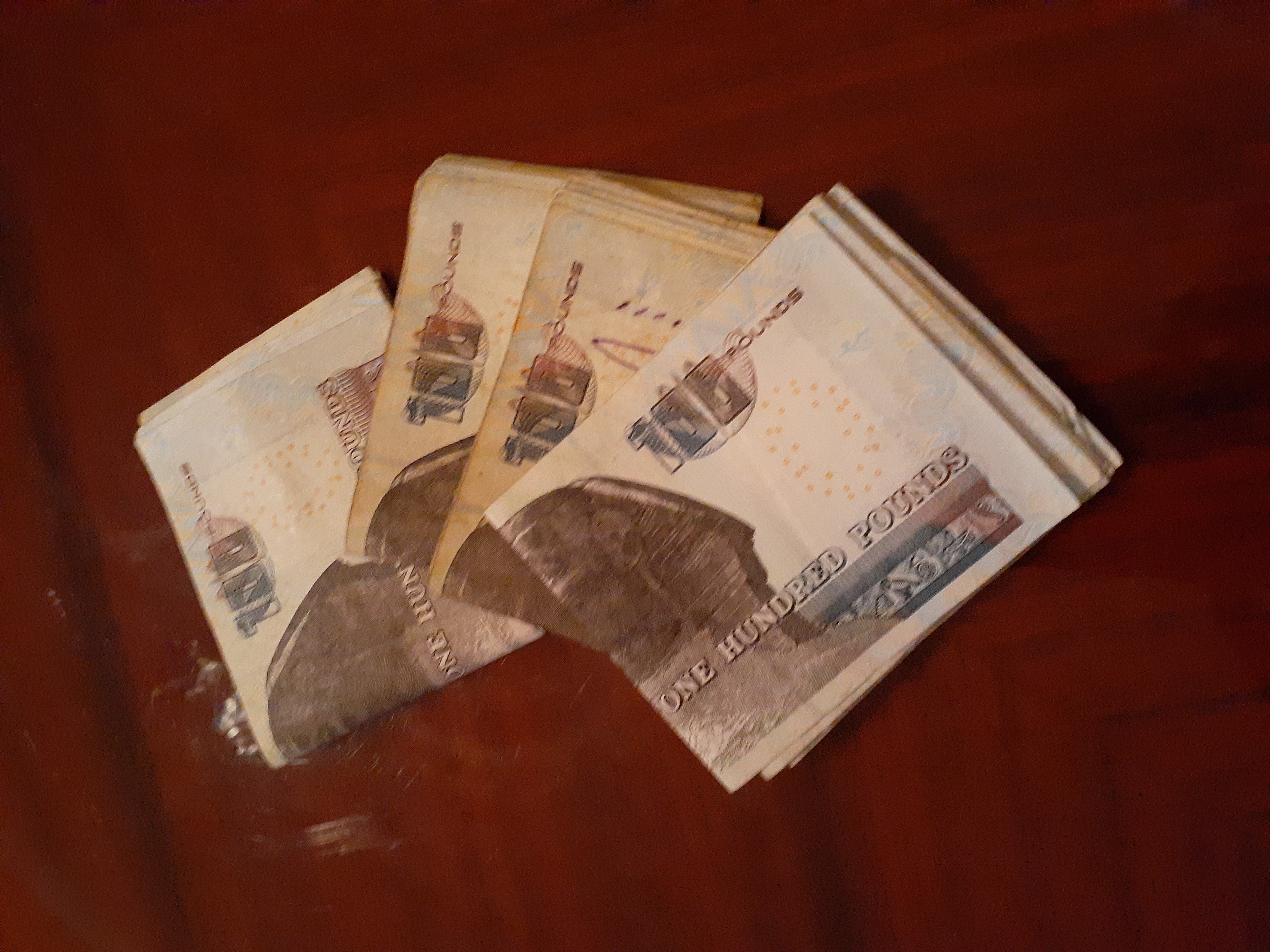
Before booking a holiday in Egypt, make sure you know exactly what the quoted price includes and what you will have to pay extra for. Entrance tickets, tips, drinks, Wi-Fi, transport, optional tombs and medical expenses can all add considerably to your final bill. Egypt is no longer a cheap holiday, and the price you are quoted may not be the amount you eventually spend. Here are some of the costs visitors often overlook and why you should calculate the real cost of your trip before you travel.
These are the questions worth paying a good deal of attention to.
Are you going to pay the quoted price, or is that just the starting price?
I’m writing this because of responses I have received from people I have recently quoted for accommodation and holiday or tour packages. People tell me they are on a budget, or that they have a price they are simply not willing to go above.
My heartfelt, honest and direct answer to that is Don’t come to Egypt until you can afford it.
I know that sounds blunt, but I mean it. Once you are here, if you genuinely don’t have any more money available than you thought you were going to spend, you can find yourself stuck. And that is not how you want to spend your holiday.
On my first trip to Egypt, that is exactly what happened to me. I came on a tour package without giving much thought to what was included and what was considered extra. I thought I would be happy with the bare bones of the holiday. I wasn’t. Once I got here, I wanted to experience it all. So I spent more than I could afford, and on some occasions that left me angry and frustrated.
I learned my lesson.
There are articles online written by bloggers who have made one trip to Egypt and then tell people what is worth seeing and what they can skip. Pay little attention to those recommendations without understanding the experience behind them. They may have visited the sites with a poor guide, or decided to save money by going without one, and consequently had very little idea what they were looking at.
I can say this honestly because I tried doing sites without a guide myself during 2011–2012, when there were very few tourists in Egypt. It was both frustrating and a total waste of my precious time. I had no idea what I was looking at. Guidebooks alone simply did not bring out the charm, information and historical importance of the sites, and, more importantly for me, the stories of the people who built them, lived in them and used them.
Saving money on a guide can sometimes mean missing the very reason you came to Egypt in the first place.
Some facts you need to be aware of
Egypt is no longer a cheap holiday destination. The cost of living here has been rising steadily, particularly over the last couple of years, following changes to government subsidies and economic reforms. Transport, electricity, water, gas and food all cost more than they used to, and those increases eventually find their way into the prices charged to visitors.
Here is the problem.
Many Egyptian service providers dealing directly with prospective tourists feel under pressure to keep their prices down to secure bookings. They are competing with other providers, and they know that a visitor comparing quotations will often choose the cheapest one.
But the people supplying those services still have to pay their own bills. Electricity, water, fuel, food and transport suppliers increase their prices to cover their costs and make a profit. Electricians, plumbers, carpenters and painters are all in high demand and charging more for their work. Good luck to them.
At the end of the day, all these costs have to be paid by somebody. In the tourism industry, that somebody is you.
So where does the difference go?
Sometimes it appears as a hidden cost. Sometimes it is clearly listed as an extra, but you haven’t really taken it in when comparing quotations. And sometimes you simply haven’t thought about it at all.
Here are some examples.
Costs you may not have included in your Egyptian holiday budget
1. Giza Plateau – is the Great Pyramid ticket included?
You have booked a tour of the Giza Plateau. Does the price include an entrance ticket to go inside the Great Pyramid?
Why would you go all the way to Giza and not consider going inside the Great Pyramid? Unless you are frightened of enclosed spaces, it is something I would certainly want to do now but I have to confess that the first time I saw it I refused to get out of the minbus and go in – as did my companions. I was hot, exhausted and just wanted a bed and something to eat. But you very definitly want to go inside the Gt. Pyramid!
How is the extra ticket sometimes presented to visitors?
“Well, there is nothing really to see inside, it’s a really long climb, it’s hot and you aren’t missing anything by not going in.”
Really?
Check exactly what is included and NOT included in your tour. Don’t let somebody else decide what is worth seeing on your behalf simply because it isn’t included in their price.
2. Day tours – are you comparing like with like?
If you are bargain hunting and think you have found a genuinely dirt-cheap day tour, think again. Dig a little deeper and find out what you are actually paying for.
I have written about this in more detail here: Cheap Egypt Tours – What You’re Really Paying For.
A low price may mean a different standard of transport, a different guide arrangement, fewer inclusions or a very different experience from the one you thought you were buying. Don’t assume anything, it is the rock you will perish on in Egypt.
3. Wi-Fi and mobile data
Wi-Fi can end up costing you quite a lot, particularly if you are relying on hotel, cruise or local mobile packages.
Consider buying an eSIM before leaving home. It is worth looking at the options in advance rather than discovering that you have to pay considerably more once you arrive.
4. Tipping in Egypt
Tipping is expected in Egypt and it can add a substantial amount to your holiday costs. Depending on your programme, the number of days and the number of people providing services to you, it can amount to several hundred US dollars per person.
I have previously used US$250 per person as a minimum budgeting guide for some programmes, but this is not a universal figure. It is a starting figure. You need to look at the length and nature of your own holiday and understand who you will be expected to tip.
Read my article on Tipping in Egypt, and don’t leave this until you arrive.
5. Luxor West Bank – the extra tombs
There are three additional tombs on the Luxor West Bank that visitors can choose to see, and these are not included in the ordinary West Bank entrance arrangements for any tour operator, agent or guide. They are not cheap, and entrance prices have increased considerably over time.
Is it clear on your itinerary whether these extra tickets are included?
It can be very upsetting to discover afterwards that you could have visited something genuinely special but didn’t realise it was available, or that you needed to pay extra for it.
Periodically, the government opens particularly interesting tombs to the public for a limited period. For about five years, the amazing Tomb of Nefertari was open and thousands of visitors were able to see it by buying an additional ticket. Now, access is restricted to private visits costing several thousand euros.
Sety I is still open to visitors with an additional ticket, and I highly recommend seeing it if you can. It will also be closed again at some stage. That is the nature of access to some of Egypt’s most remarkable monuments.
6. Drinks – especially on Nile cruises
Drinks can be relatively expensive in Egypt, particularly on cruises, in restaurants and in hotels. Taxes on alcohol are high, and the cost of drinks can make quite a difference to your final bill if you enjoy a glass of wine or something stronger with dinner.
If you want to bring spirits from home, check the current duty-free and Egyptian customs allowances before travelling. Don’t assume that buying something at the airport automatically means you can bring it into Egypt without further questions or restrictions. While I am telling you to check the requlations in order to cover myself – I believe the current amount allowed is 2 bottles of duty free from your departing airport. If you come across a customs inspector or police man at a scanning machine in Egypt telling you it is not allowed and trying to confiscate it – stick to your guns and tell him you want to see his manager. You might find he backs down quickly (with a smile) Be nice and make your escape with your trophies. This is a situation you will not encounter if you are availing of our meet/greet/fast track service on arrival in Cairo or Luxor.
It is much better to know the rules before you travel than to have an unpleasant surprise at customs.
7. Medical expenses – don’t leave travel insurance out of your budget
If you end up needing a doctor or having to go to hospital, you really don’t want to discover that you have no insurance.
A hospital stay can cost you a LOT of money if you are uninsured. Even something that seems relatively minor can turn into a substantial expense if you need tests, treatment or specialist attention.
At Mara House Luxor, we always take our clients to the private English-speaking hospital in Luxor when medical attention is needed, so they can avoid long waiting periods and receive the best, prompt attention.
Travel insurance is not an optional extra to save money on. Put it in your holiday budget from the beginning. AND CFAR (Cancel For Any Reason)
8. Paying by card – what are the extra charges?
Are you paying by card in Egypt? Is there an additional bank or card charge, and who is paying it?
Check with your provider before travelling. Also make sure you understand the currency conversion and any foreign transaction fees that may apply.
Read my article on What Is the Best Currency to Take to Egypt?.
And please don’t make the mistake of changing all your money into Egyptian pounds before you arrive. It can create unnecessary problems, and you need to understand what currency you should be carrying and how you will use it here.
9. Last-minute changes to accommodation or transport
You thought you were getting a five-star hotel and a limousine service? Well, maybe not.
Sometimes changes have to be made to accommodation or transport. These can have a considerable effect on the service provider’s costs, particularly if the original arrangements are no longer available.
You need to know what happens if something changes. Is the alternative of the same standard? Will there be an additional charge? Who is responsible for paying the difference?
These are questions worth asking before you book, not after you have arrived.
Read what you are being sent – and ask questions
Finally, it is not always your hotel, guide or tour company that is responsible for your disappointment or an unexpected expense.
I write posts on practically every subject I can think of to help visitors understand as many eventualities as possible. I send information sheets to my guests. I clearly list what is included and what is not included in my emails. I use the same typeface and size throughout, so there is no actual small print. I also send out a lengthy list of business Terms and Conditions, again with no small print.
Usually, I exchange anything from 50 to 75 emails with my guests, answering questions and discussing arrangements before we finally conclude a booking.
And STILL I have people who misunderstand something I have sent them, or simply don’t read or take in all the information given.
That’s OK. I am also guilty of sometimes not taking everything in when somebody sends me information.
But being prepared is the best way to get your time in Egypt off to a good start. So, do ready my travel tips carefully and contact me.
Make sure you know what your Egyptian holiday is really going to cost BEFORE you arrive
This is not about spending more money than you intended. It is about knowing what you are committing yourself to and making sure you have enough money available to enjoy the holiday you have planned.
Your budget might, in your mind, be a fixed amount that you are simply not prepared to go above. Tell a travel agent that amount and I can pretty much guarantee that you will receive a quotation that matches it. If I ask you that question, I can say (hand on heart) that is honestly not how I operate. The higher the number you can give me only means that I will factor in as much as possible that you will enjoy (and that information comes from our email question and answer exchanges).
But that doesn’t necessarily mean it is the price you will eventually pay.
You need to understand what is included, what you will have to pay separately, what you might want to add once you are here, and what unexpected expenses you should allow for.
Your trip is going to cost what it is going to cost. And the only person paying for it, one way or another, is going to be YOU.
So, for your own sake, your happiness and your peace of mind, make sure you know what your Egyptian holiday is really going to cost before you come to Egypt.